 宏泰电器有限公司
Tel
0577-62795555
宏泰电器有限公司
Tel
0577-62795555
With the increasing use of electrical and electronic components and subsystems, cable management has become an essential aspect of system design. Whether inside equipment or between systems, ensuring cables are securely and efficiently routed is crucial for the success and longevity of the design, especially in high-vibration and harsh environmental applications. Choosing the right cable ties, particularly green cable ties and brown cable ties, can effectively secure cables and prevent faults caused by improper fastening.
Designers face challenges in selecting suitable cable ties that meet requirements for tensile strength, lifespan, flexibility, and resistance to chemicals, vibration, and ultraviolet (UV) radiation, without damaging the cable's insulation or internal structure. To assist designers in easing these concerns, this article outlines the subtle differences and advantages of various cable tie types, with a focus on the practical use of green cable ties and brown cable ties, helping engineers make informed decisions.
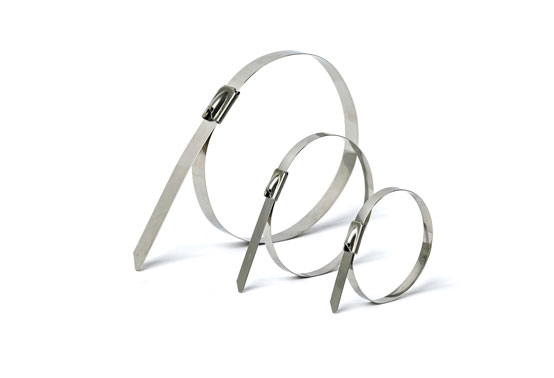
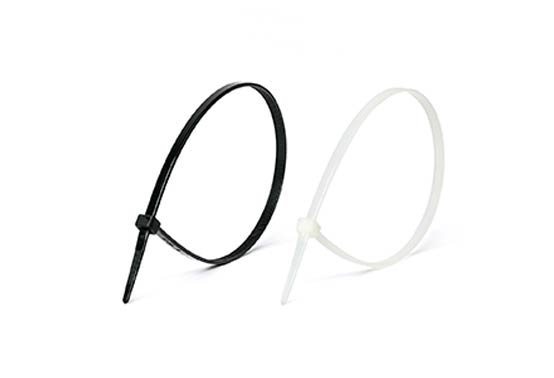
Cable ties are generally divided into two types: one-piece and two-piece structures. One-piece ties have an integrated molded ratchet locking mechanism, while higher-quality two-piece ties use a stainless steel ratchet embedded in the locking head. The two-piece design offers better corrosion resistance and more reliable locking, suitable for environments requiring higher tensile strength.
When selecting green cable ties or brown cable ties, designers should consider the maximum diameter specification and bundling strength. The maximum diameter refers to the largest cable bundle the tie can accommodate, while bundling strength (LTS, loop tensile strength) indicates the maximum force the tie can withstand once locked. Different applications may require ties of varying strengths and sizes. For example, green cable ties are commonly used outdoors where high durability and UV resistance are needed, whereas brown cable ties are suitable for a variety of indoor and outdoor environments.

Material choice depends primarily on the environmental conditions the cable ties will face. Designers must consider whether the ties will be used indoors or outdoors, the temperature range, and exposure to water, oil, chemicals, or vibration. Both green cable ties and brown cable ties are typically made from durable nylon or other high-performance materials that withstand harsh conditions and provide reliable long-term cable securing.
For outdoor environments, especially those requiring UV and extreme climate resistance, green cable ties are preferred due to their superior UV resistance. Brown cable ties, meanwhile, are better suited for environments with limited UV exposure but still offer durable performance indoors and outdoors.
Select the Appropriate Type: Choose cable ties based on cable diameter, material, and environmental conditions to ensure adequate strength and durability.
Avoid Over-Tightening: Apply moderate tension when bundling; excessive tightening can damage cable insulation and affect cable performance.
Environmental Suitability: Select green cable ties or brown cable ties according to environmental exposure, especially for UV resistance in outdoor settings.
Regular Inspection: After installation, periodically check cable ties for signs of aging or loosening to prevent potential failures over time.
Cable ties are widely used in the cable industry and play a critical role in electrical equipment and electronic systems. Both green cable ties and brown cable ties have their advantages and can provide reliable cable securing solutions for different applications. Designers must consider environmental conditions, temperature ranges, and UV exposure when selecting cable ties to ensure the safety and long-term stability of cables. Understanding the subtle differences and correct usage of cable ties can greatly improve the efficiency and reliability of electrical engineering projects.
 English